Featured
An Unbiased View of Everything to Know During the Debt Fo...

Staying Safe from Dealing with Property Tax Escrow Shorta...

Economic Impact the Investment of Bankruptcy Counseling for Dummies
Table of Contents
That liberates cash in the short-term, and you may have 3 to 4 years to conserve towards the settlement quantity. Very damaging to credit report scores, primarily as a result of missed repayments and a negative "resolved" mark that can stay on your credit rating report for up to seven yearsMay be only alternative if other choices (debt consolidation, equilibrium transfer charge card, financial debt mercy) aren't possibleTypically calls for a cost to the third event, which might counter some or all of the financial savings from debt settlementMay aid you prevent personal bankruptcy if you have actually missed numerous paymentsNot all creditors deal with financial debt negotiation business Financial obligation mercy may be best for you if you are experiencing a monetary challenge that makes it nearly difficult to pay for your debt balances.
With a DMP, you make one month-to-month settlement to the credit counseling agency. Those funds are then dispersed to lenders of your unsecured debts, such as charge card and installment finances. The company works with your financial institutions to minimize rate of interest or forgo fees, but some financial institutions may refuse such concessions.
It can help you pay down debt if you're able to safeguard a financing price that's reduced than the ordinary price of the accounts you're settling. You need to refrain from racking up financial obligation on those recently cleared accounts or your financial obligation could grow also greater.
These cards usually use a 0% rate of interest initial duration of up to 21 months. That gives you lots of time to get rid of or substantially lower your balance while making interest-free settlements. For some individuals encountering insurmountable financial debt, bankruptcy might be the only method to stop collection procedures and lawfully resolve their financial obligations.
How Your Introduction to Financial Trauma Recovery: Counseling Techniques for Clients with Repeated Financial Crises and What to Expect can Save You Time, Stress, and Money.
You may need it if your creditor or a collection agency ever before tries to gather on the financial obligation in the future. When a loan provider forgives $600 or more, they are called for to send you Type 1099-C.
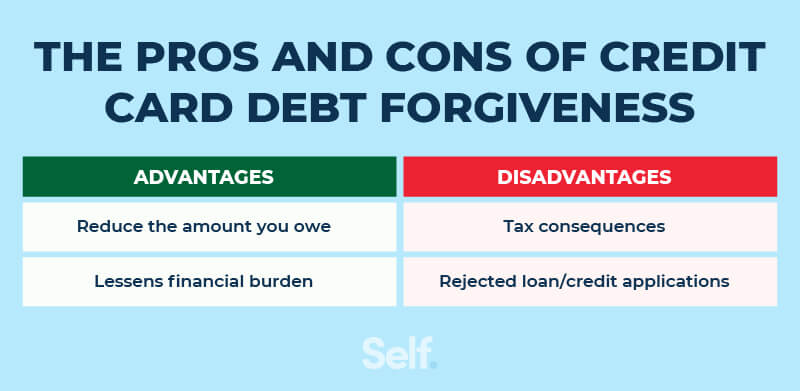
Debt forgiveness or settlement usually injures your credit report. Anytime you resolve a debt for less than you owe, it might look like "cleared up" on your debt report and impact your credit history for 7 years from the day of settlement. Your credit can likewise drop considerably in the months bring about the mercy if you fall back on settlements.
Staying Safe Against Fraudulent Operators - Questions
This scenario typically results from underreporting earnings, not filing returns on time, or inconsistencies found during an IRS audit. The effects of accumulating tax financial obligation are major and can include tax liens, which provide the Internal revenue service a lawful case to your home as protection for the financial obligation.
Salaries and Financial institution Accounts IRS can levy (seize) earnings and bank accounts to please the financial obligation. Property Seizure In severe cases, the IRS can seize and sell residential property to cover the debt.
Clinical depression, stress and anxiety, and various other psychological wellness issues. Social Stigma Dealing with lawsuit from the internal revenue service can bring social stigma. Damage to credibility and partnerships. Work Opportunities A poor credit rating rating as a result of exhaust debt can restrict job opportunity. Trouble searching for or keeping a task. Government Benefits Tax financial obligation might affect qualification for federal government benefits, such as Social Safety and Medicaid.
See This Report on The Truth About Debt Relief Options in Today's Economy
The OIC considers numerous factors, consisting of the taxpayer's earnings, expenses, possession equity, and capability to pay. Successfully bargaining an OIC can be intricate, calling for a detailed understanding of the internal revenue service's guidelines and a solid debate for why your deal straightens with your capacity to pay. It is necessary to keep in mind that not all applications are approved, and the process requires detailed monetary disclosure.
The internal revenue service examines your overall financial scenario, including your earnings, costs, asset equity, and ability to pay. You must also be existing with all declaring and payment needs and not be in an open personal bankruptcy proceeding. The IRS likewise considers your compliance history, assessing whether you have a document of prompt filing and paying tax obligations in previous years.
7 Easy Facts About Developing Post-Financial Trauma Recovery: Counseling Techniques for Clients with Repeated Financial Crises Budget for Lasting Stability Described
The application process for an Offer in Compromise includes several detailed steps. Initially, you should complete and submit internal revenue service Type 656, the Deal in Compromise application, and Type 433-A (OIC), a collection info statement for individuals. These forms need detailed economic information, including information regarding your income, financial obligations, costs, and assets.
Back taxes, which are unsettled tax obligations from previous years, can dramatically raise your total internal revenue service debt if not resolved promptly. This financial obligation can accumulate passion and late settlement charges, making the original amount owed much larger gradually. Failing to repay taxes can lead to the IRS taking enforcement actions, such as issuing a tax lien or levy against your home.
It is essential to attend to back tax obligations immediately, either by paying the total owed or by preparing a settlement strategy with the IRS. By taking aggressive steps, you can stay clear of the buildup of extra rate of interest and penalties, and protect against a lot more aggressive collection actions by the IRS.
One typical reason is the idea that the taxpayer can pay the sum total either as a round figure or via a layaway plan. The IRS also takes into consideration the taxpayer's earnings, expenditures, possession equity, and future earning capacity. If these variables suggest that the taxpayer can pay for to pay even more than the offered quantity, the internal revenue service is likely to reject the offer.
How Key Things You Must Ask a Bankruptcy Counseling Provider can Save You Time, Stress, and Money.
It is important to give precise and full information in your application and to speak with a tax professional to enhance the possibilities of acceptance. Handling internal revenue service debt can be complex and challenging. Tax experts, such as CPAs, tax lawyers, or signed up agents, can provide indispensable support. They have the proficiency to navigate the complexities of tax law and internal revenue service treatments.

Table of Contents
Latest Posts

All About Certification Standards from the Industry

An Unbiased View of Everything to Know During the Debt Forgiveness Process
Measures to Take After Debt Forgiveness for Dummies
More
Latest Posts
All About Certification Standards from the Industry
An Unbiased View of Everything to Know During the Debt Forgiveness Process
Measures to Take After Debt Forgiveness for Dummies